


Press Release
Japan's First Trial of Biodiesel from Rice Bran Oil Byproducts Launches at Yamagata Airport
―Upcycling byproducts into renewable energy through world-first technology―

(Joint Press Release)
May 28, 2026
Japan Airlines Co., Ltd.
Showa Sangyo Co., Ltd.
Boso oil and fat Co., Ltd.
Phytochem Products Inc.
Tohoku University
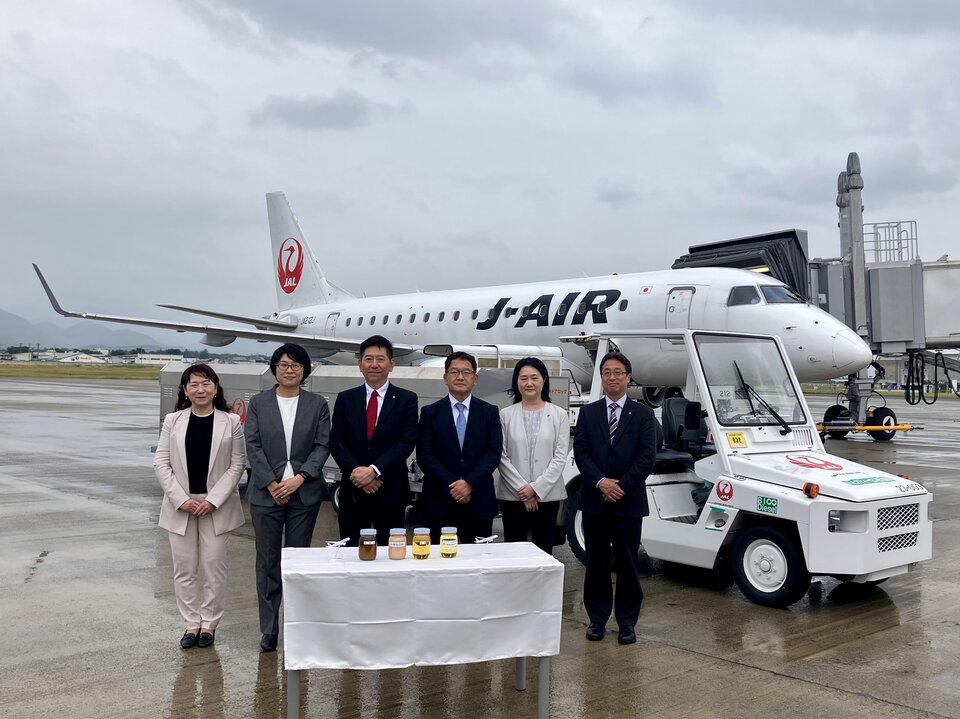
Photo session from the launch day (*1)
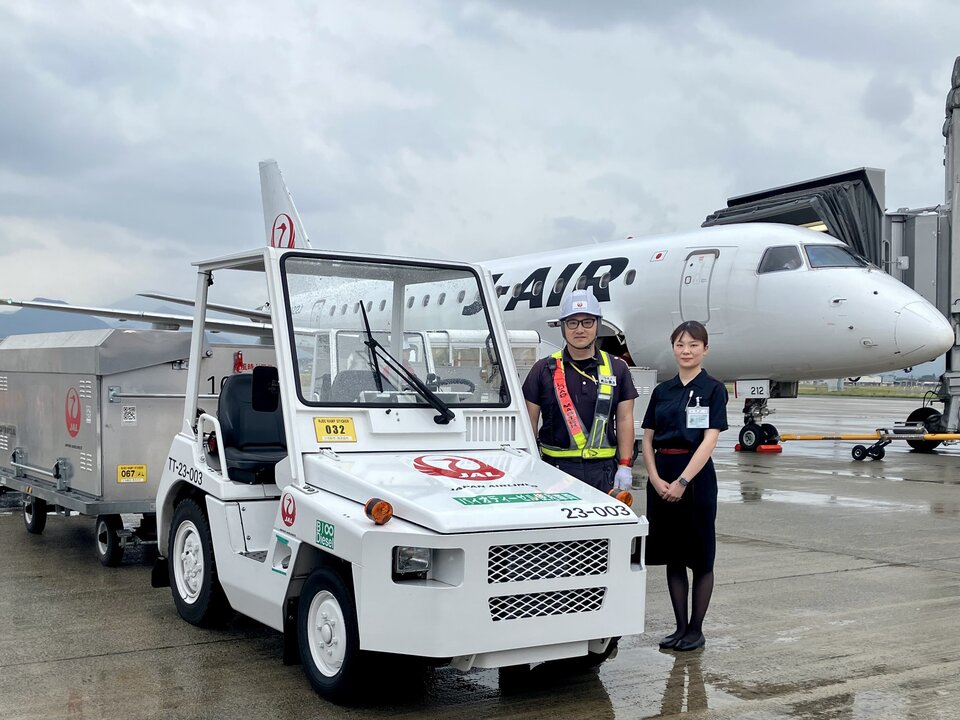
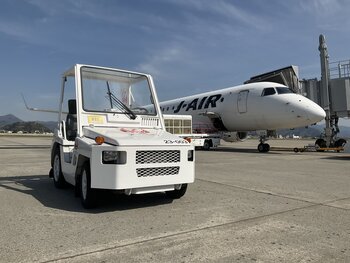
Yamagata Airport: Ground handling staff and vehicle
Japan Airlines Co., Ltd. (Headquarters: Shinagawa-ku, Tokyo; President: Mitsuko Tottori; hereinafter "JAL"), Showa Sangyo Co., Ltd. (Headquarters: Chiyoda-ku, Tokyo; President: Hideyuki Tsukagoshi; hereinafter "Showa Sangyo"), Boso oil and fat Co., Ltd. (Headquarters: Funabashi-shi, Chiba; President: Tatsuya Yamaguchi; hereinafter "Boso oil and fat"), Phytochem Products Inc. (Headquarters: Sendai-shi, Miyagi; CEO: Makiko Kato), and Tohoku University (Headquarters: Sendai-shi, Miyagi) have jointly announced the commencement of a demonstration project at Yamagata Airport. This project uses biodiesel fuel (hereinafter "BDF") produced from byproducts generated during the rice bran oil manufacturing process, to power one of JAL's airport ground support equipment (baggage towing tractor).
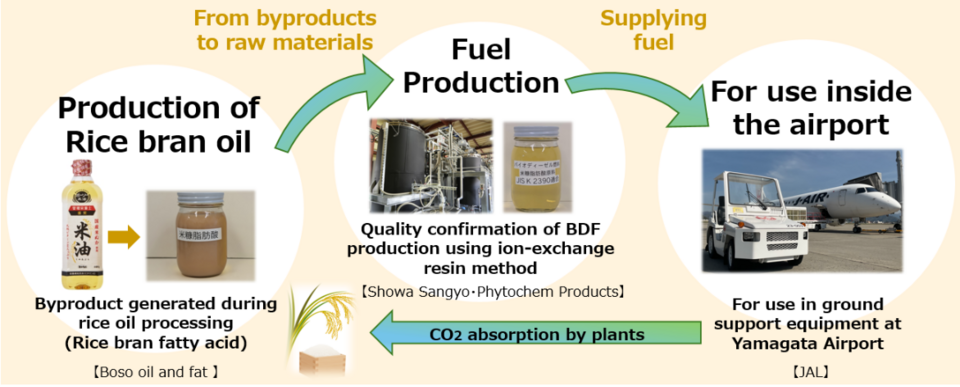
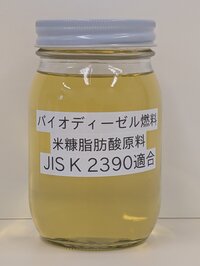
This BDF is produced by Boso oil and fat (a member of the Showa Sangyo Group) by upcycling rice bran fatty acid (a non-edible oil) generated during rice bran oil production. The manufacturing process utilizes the "Ion Exchange Resin Method" (*2), a technology developed by Tohoku University. This initiative marks the world's first use of BDF produced utilizing "Ion Exchange Resin Method" at an airport.
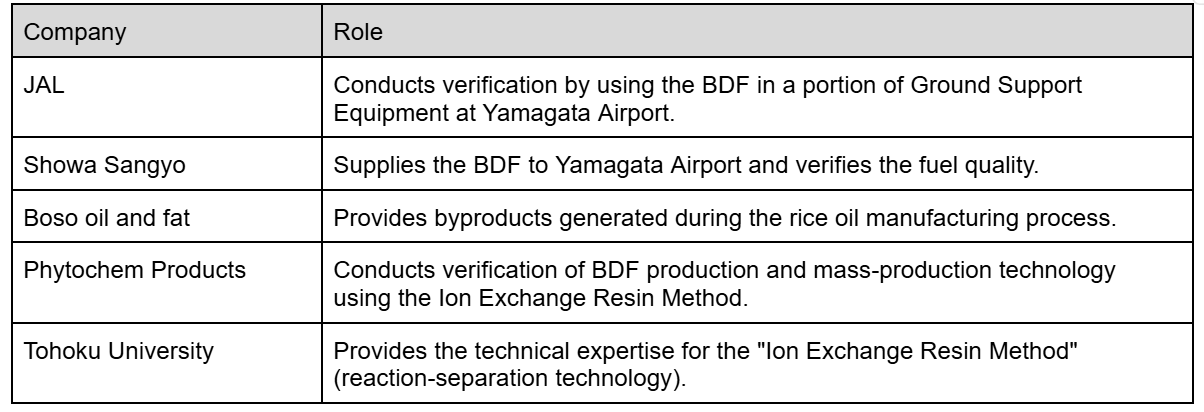
■Roles of Each Company
Background and Objectives
Yamagata Airport was selected for this demonstration due to its location in a basin, which creates significant seasonal temperature fluctuations ideal for testing under diverse weather conditions. Additionally, its proximity to Tohoku University, where the core technology was developed, provides an optimal environment for verification.
As global demand for biofuels increases, it is crucial to explore new resource possibilities and diversify raw material options to ensure a stable supply. (*3) Through this project, the five-company consortium aims to promote the decarbonization of Yamagata Airport while establishing a sustainable supply chain and social implementation for BDF derived from upcycled byproducts. By utilizing advanced technology from the Tohoku region, the partners are committed to creating new value and achieving a carbon-neutral future.
■Project Overview
・Demonstration Period:
Thursday, May 28, 2026 - End of May 2027 (Scheduled)
・Location: Yamagata Airport
・Vehicle to be used: Baggage towing tractor
(Used for towing cargo and baggage containers)
・Verification Items:
1.Evaluation of driving performance under
actual operational conditions using BDF
2.Confirmation of the impact on the vehicle
3.Assessment of the BDF supply system
Notes
*1) From left to right: Professor Naomi Shibasaki-Kitakawa, Tohoku University; Makiko Kato,CEO, Phytochem Products Inc.; Toshitaro Shiihashi, Senior Vice President Tohoku, Japan Airlines Co., Ltd.; Yukinobu Oyama, Managing Officer, Showa Sangyo Co., Ltd.; Minako Takahashi, Corporate Officer, Boso oil and fat Co., Ltd.; and Tsuyoshi Tohyama, Executive Vice President for Industry-University Collaboration, Tohoku University.
(*2) Ion Exchange Resin Method: A flow-type reaction separation technology using ion-exchange resin columns, developed by Professor Naomi Kitagawa and Assistant Professor Kosuke Hiromori from Tohoku University. This technology is highly anticipated for its ability to contribute to a resource-circulating society by being applicable to various unused biomass and oil resources.
(*3) JAL Group Initiatives: JAL currently uses BDF derived from used cooking oil at 23 airports across Japan in collaboration with local partners.